Union budget 2026–27 reflects future India vision: Vakulabharanam Krishna Mohan Rao
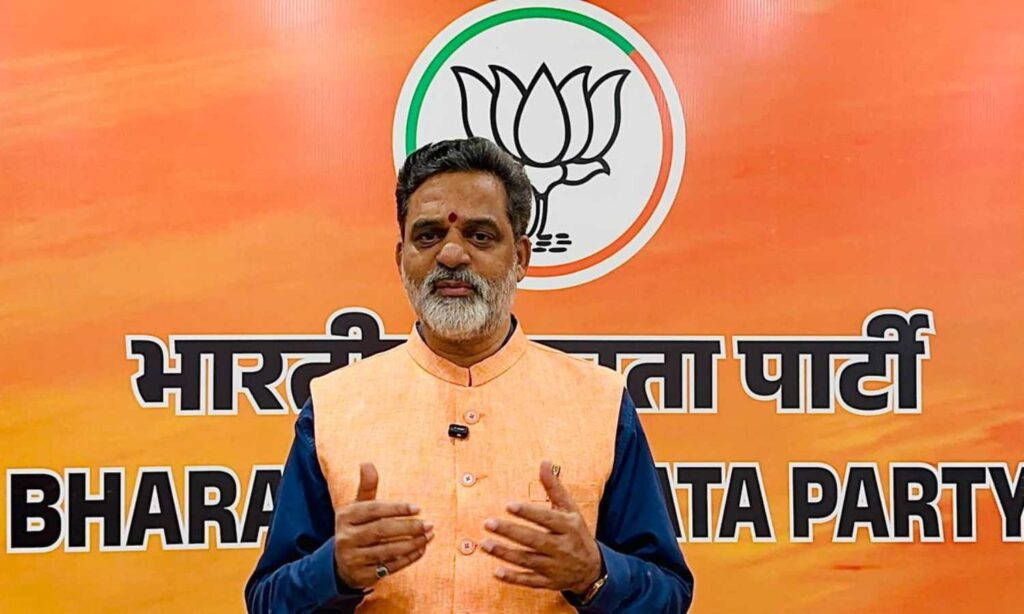
Hyderabad: The Union Budget 2026–27 was designed as a policy statement that balanced economic growth, employment generation and social equity, social scientist and former Telangana State Backward Classes Commission chairman Vakulabharanam Krishna Mohan Rao said on Sunday.
Reacting to the Union Budget 2026–27, he said the proposals went beyond short-term consumption. Instead, the budget prioritised long-term investments in employment, livelihoods, infrastructure and human capital to improve overall living standards.
He pointed out that the allocation of ₹95,692 crore for the VB-G RAM G (Viksit Bharat—Guarantee for Rozgar and Ajeevika Mission–Gramin) was a crucial step towards ensuring stability in rural employment and livelihoods. According to him, this reflected a clear intent to strengthen the rural economy through sustained job creation.
The former commission chairman also noted that the budget placed strong emphasis on infrastructure. He said the capital expenditure allocation of around ₹12.2 lakh crore would significantly support employment generation and economic activity across sectors.
Union Budget 2026–27 focuses on jobs and human capital
Dr Rao said the Union Budget 2026–27 aimed to link industrial growth with youth employment, especially in the manufacturing sector. He highlighted the ₹40,000 crore allocation for electronics component manufacturing as a move to strengthen domestic production and job creation.
He added that the ₹10,000 crore support announced for micro, small and medium enterprises would help reinforce economic stability and expand employment opportunities. According to him, MSMEs remained a key pillar of inclusive growth.
On education, he said the allocation of about ₹1.39 lakh crore would contribute significantly to building human capital and improving long-term productivity. He observed that investments in education were essential for sustaining economic growth.
Overall, Dr Rao said the Union Budget 2026–27 reflected a clear “future India vision” that focused on expanding opportunities and employment rather than limiting itself to welfare distribution alone.
About The Author