
Urea shortage: Telangana rolls out fertiliser cards under pilot in Siddipet
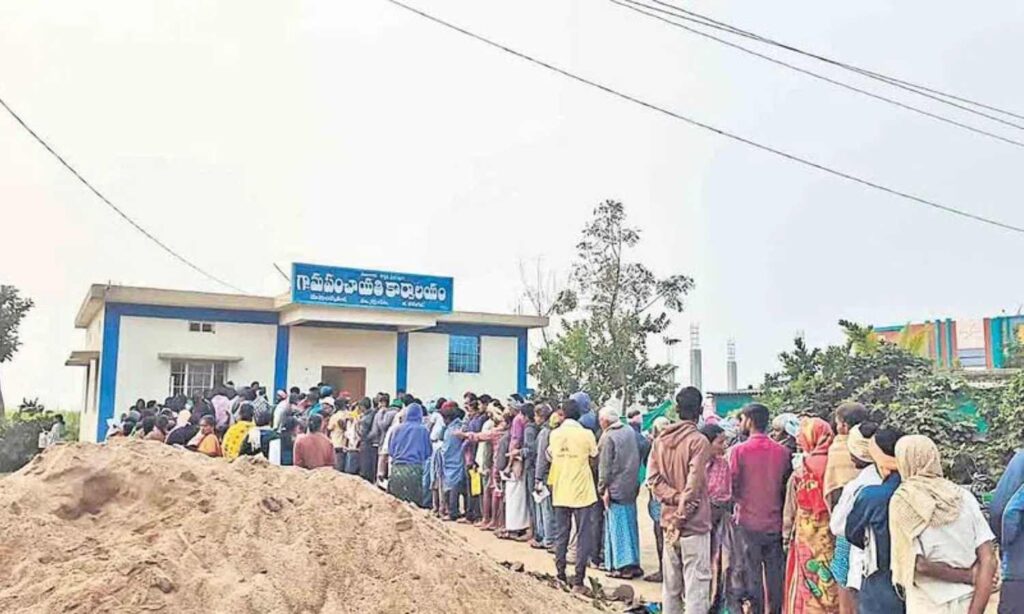
Hyderabad: Amid the urea shortage in Telangana, the state government has launched a pilot fertiliser card system in Siddipet district. The move aims to regulate distribution but has triggered protests from farmers over new conditions and delays.
Under the pilot, officials issue “Crop Registration, Comprehensive Fertiliser Ownership Document” cards, commonly called urea cards. Farmers must show the card, a Pattadar passbook, and Aadhaar to buy urea. Agricultural extension officers are implementing the system across villages.
Officials said the cards will streamline supply, prevent crowding, and allocate fertiliser based on cropped area. The government plans to extend the system statewide after the pilot. However, farmers said the measure does not address the urea shortage and instead adds hurdles.
In several villages, farmers said officials asked them to bring Xerox copies or PDF printouts of urea cards shared on WhatsApp. Due to delays in issuing physical cards and limited photocopy facilities, many farmers travelled to towns and spent extra money.
Urea shortage in Telangana sparks farmer protests in Siddipet
Farmers said queues continued at fertiliser shops despite the new system. They alleged that some dealers insisted on bundled purchases and sold urea only with pesticides. Farmers also said they had to queue twice—once for card formalities and again for urea—while supplies remained limited.
Guidelines allow farmers to buy urea only from shops within their cluster. Dealers permit a second purchase after 15–20 days, subject to the balance noted on the card. The card records landholding, crop area, recommended quantity, and dealer details, and farmers must sign at purchase.
After the rollout, farmers in several Siddipet villages staged protests. They alleged that the urea shortage worsened after the change in government. They demanded fertiliser supply without apps or cards, as in earlier seasons.
Rangana Boyna Bagaiah, a farmer from Mirudoddi village, said the system increased hardship instead of easing supply. Another farmer, Maddela Lakshmaiah, questioned how the cap would work for larger landholders.
Officials said they are reviewing the pilot and will consider farmer feedback before any statewide rollout.
About The Author