
Why BHAI ki CHAI name resonates with everyday Indian culture
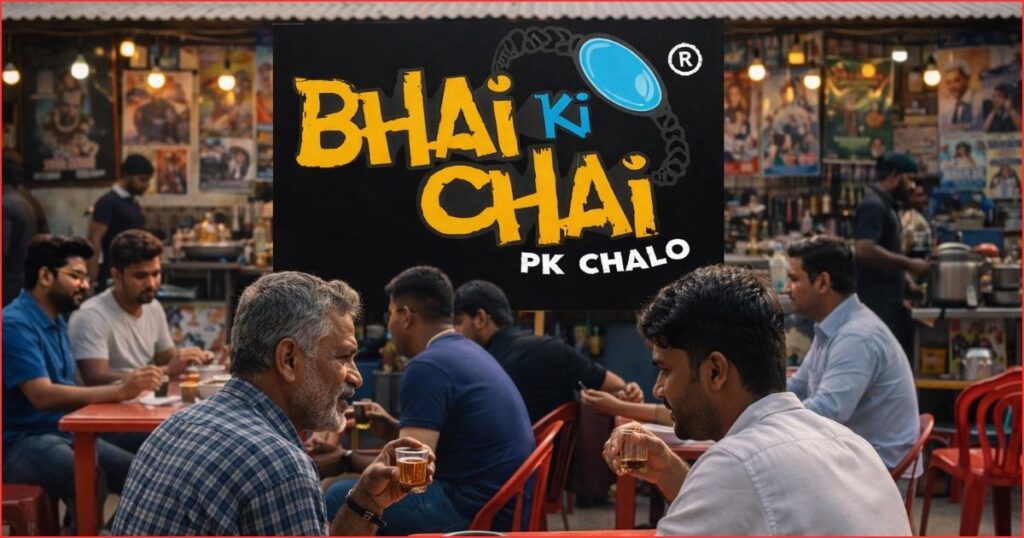
Hyderabad: The name BHAI ki CHAI drew its strength from a phrase already embedded in everyday Indian conversation. In common usage, the word “bhai” signals familiarity, trust and informal belonging rather than simple brotherhood. By adopting that phrase, the brand aligned itself with language people already used in streets, markets and neighbourhood tea stalls.
The choice avoided abstract branding. Instead, BHAI ki CHAI sounded conversational and immediately recognisable. The phrase mirrored how customers often describe local tea spots — places associated with a familiar face rather than a formal business identity. As a result, the name blended naturally into daily speech and casual references.
Customers frequently mentioned the café in routine conversation. They spoke about going there in the same way they referred to visiting a known neighbourhood stall. That linguistic familiarity reduced distance between brand and customer. It allowed the name to function less as a marketing label and more as part of ordinary dialogue.
The phrase also carried a social signal. The word “bhai” suggested equality and approachability. It avoided hierarchy or exclusivity. That tone aligned closely with India’s roadside tea culture, where people from different professions often share the same bench or counter. The name therefore positioned the café as an open, informal space rather than a specialised destination.
Chai itself historically served as a setting for conversation. Across Indian cities, tea stalls functioned as brief meeting points for workers, students and friends. Adding “bhai” reinforced that atmosphere of familiarity. The wording implied that the tea belonged to everyone present rather than to a select customer group.
The name also proved adaptable across generations. Older customers often connected it with neighbourhood stalls where personal relationships shaped daily routines. Younger visitors, meanwhile, recognised the phrase from peer conversations and informal speech. This overlap allowed the brand to appeal to different age groups without altering its identity.
Visual branding elements later expanded that identity. Bollywood references, casual typography and popular cultural cues appeared across store interiors and communication. Yet the name remained the central anchor. It grounded those creative elements in language that already felt familiar.
Importantly, the phrase set modest expectations. It did not promise luxury, heritage prestige or technical innovation. Instead, it suggested a straightforward experience — tea served with familiarity. That alignment between name and experience helped reinforce credibility over time.
In India’s crowded food and beverage sector, many brands rely on stylised or aspirational naming. BHAI ki CHAI, however, relied on ordinariness. The simplicity appeared deliberate. Cultural resonance often emerged from phrases people already used rather than newly constructed brand language.
Over time, the phrase became a reference point in routine conversation. People mentioned it casually while planning short breaks or meeting friends. That ease of recall helped the name settle into daily urban habits.
The cultural strength of BHAI ki CHAI therefore rested less on novelty and more on recognition. The name reflected how people already gathered around tea — informally, without ceremony, and often in familiar company.
About The Author