
Auto-Debit of Traffic Challans Violates Fundamental Rights
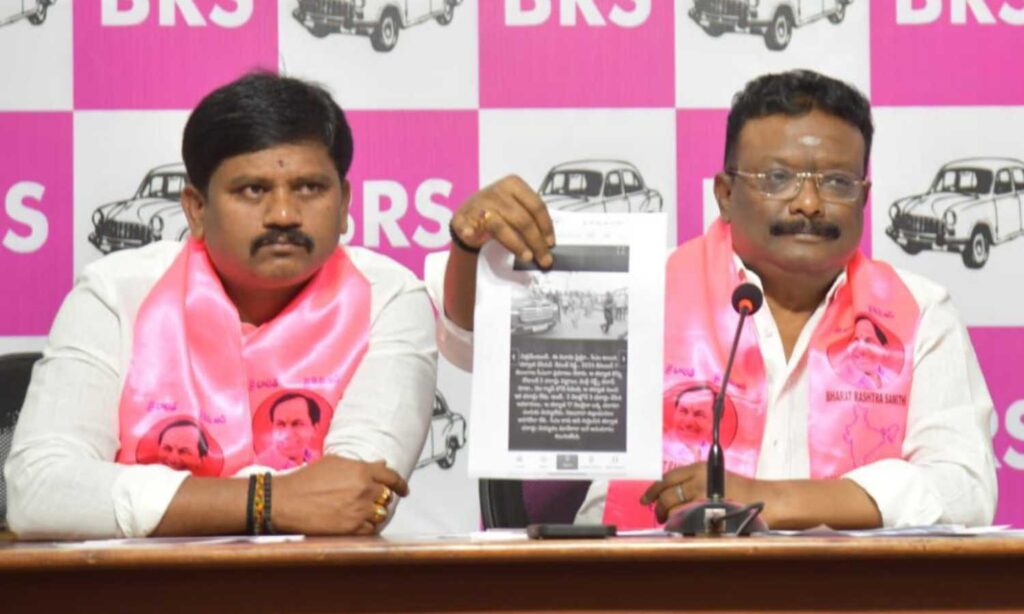
Hyderabad: The Telangana State Government has proposed recovering traffic challans directly from citizens’ bank accounts through an auto-debit system. This proposal has raised serious constitutional and legal concerns. Critics have called the move alarming and unlawful. They also say it contradicts India’s democratic framework.
Undoubtedly, enforcing traffic rules remains a core duty of the government. However, directly accessing citizens’ bank accounts bypasses established legal procedures. Therefore, many view the move as unjustifiable. A traffic challan only alleges a violation. It does not prove guilt.
Moreover, every citizen has the right to respond to a challan. They may explain, appeal, or approach a court. However, the auto-debit system removes these options.
Auto-debit traffic challans undermine due process
The proposal forces penalties before any authority proves guilt. As a result, it amounts to punishment without trial. This approach directly weakens the principle of due process.
The proposal also violates Article 21, which protects life and personal liberty. In addition, it breaches Article 300A, which safeguards the right to property. Money in a bank account qualifies as personal property. Therefore, the State cannot seize it without legal authority or a court order.
Further, banking rules prohibit such actions. The Reserve Bank of India allows debits only with account-holder consent or a valid court directive. Since banking falls under the Centre’s jurisdiction, the State lacks authority to act unilaterally.
The Supreme Court of India, in the Puttaswamy judgment, declared privacy a fundamental right. Using bank data for automatic recovery intrudes into private life. Such intrusion remains neither proportionate nor justified.
Additionally, Section 200 of the Motor Vehicles Act gives citizens a clear choice. They may pay the challan or contest it in court. The auto-debit system removes this statutory right.
Ultimately, the government must protect citizens’ assets. It should not turn banking systems into coercive recovery tools. If enforced, the proposal risks becoming institutionalised extortion.
Therefore, critics have demanded the immediate withdrawal of the proposal. They have also urged the government to follow constitutional and legal processes. Above all, any enforcement must respect citizens’ property, privacy, and fundamental rights.
About The Author