Krishna railway bridge demolition begins near Vijayawada
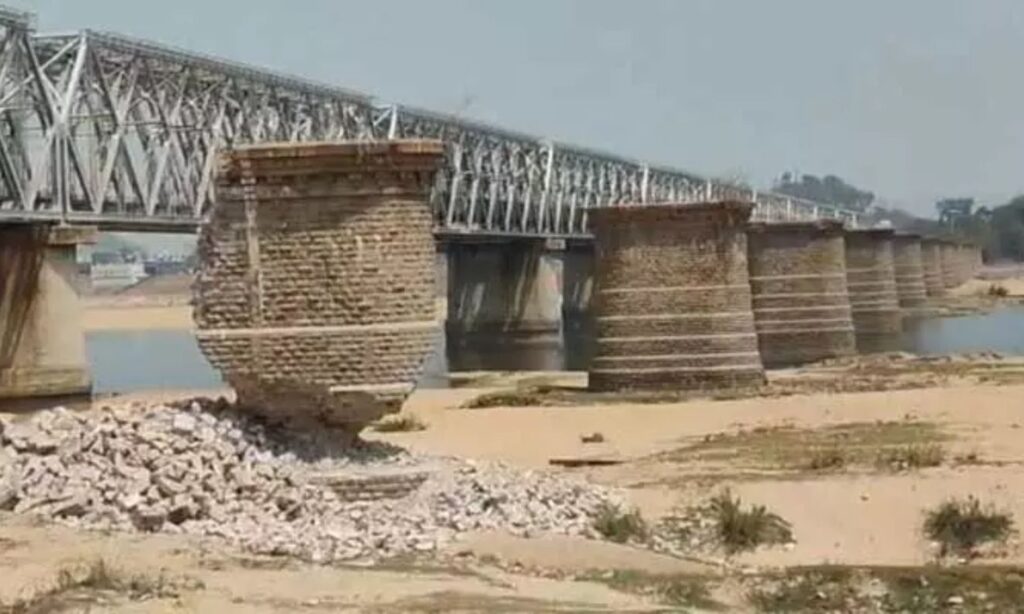
Hyderabad: Authorities have begun steps toward the demolition of the historic Krishna railway bridge near Vijayawada, marking the end of one of the oldest railway structures built across the Krishna river.
The bridge was originally constructed on March 17, 1893, to support a metre-gauge railway line serving the Bejawada rail junction. Later, in 1897, engineers converted it into a mixed-gauge bridge to support the expansion of the Madras–Bejawada railway route, which later became part of the major Chennai–New Delhi Grand Trunk rail corridor.
During the British period, the Krishna railway bridge played a significant role in developing railway transport across South India. Even today, the structure remains an important symbol of Vijayawada’s railway heritage.
Railway authorities later built new bridges along the route in the 1980s to handle increasing rail traffic. Since then, trains have operated on the newer bridges constructed across the Krishna river.
Krishna railway bridge served trains until 1989
Historical records show that the Krishna railway bridge remained in use until 1989. After several decades of service, authorities decommissioned the structure in 1993 following the development of modern rail bridges nearby.
During the construction phase, railway engineers supervised the project from a bungalow located on a nearby hill now known as Gandhi Hill. Until about 25 years ago, the building continued to function as the supervising engineer’s residence.
The bridge was built using high-value metals and strong structural materials typical of British-era engineering. Officials estimate that dismantling each pillar could take nearly 15 days because of the structure’s heavy construction.
The bridge also features tall watch towers on both ends, reflecting its historic design. However, the plan to demolish the structure has drawn criticism from some heritage enthusiasts who argue that such historic landmarks should be preserved instead of being dismantled.
About The Author